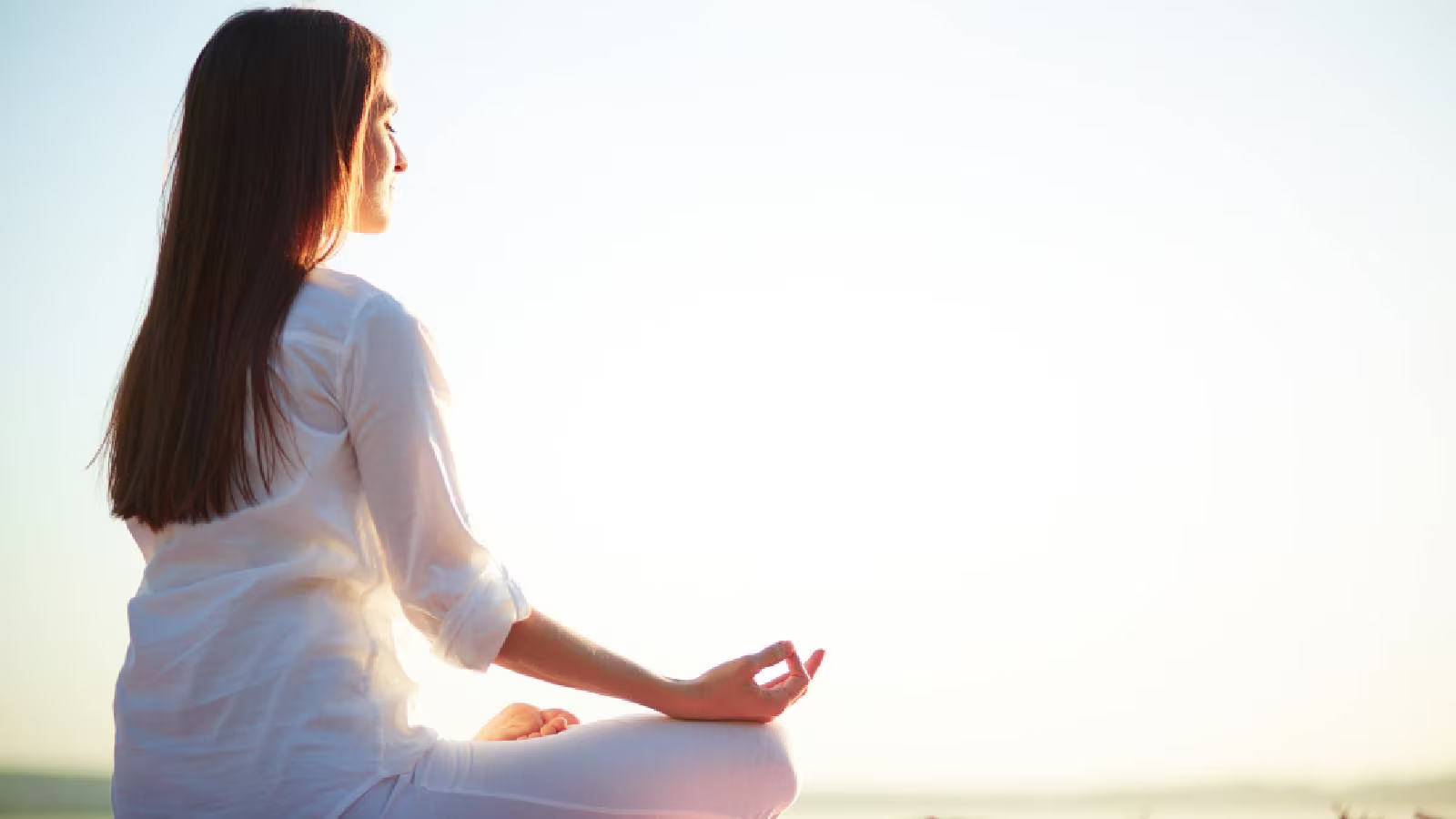
How yoga and meditation improve psychological and neurological wellness, supporting emotional stability and rest alongside medical care.
The human mind is a tremendous centre of intelligence. However after we think about neurological wellness, we have to look past the mind. Our ideas, emotions, breath, and the way we dwell our lives always work together with the nervous system. Historical Himalayan yogic traditions have lengthy understood the connection between thoughts, physique and consciousness. Trendy neuroscience is starting to check the various ways in which meditation, aware motion and stress administration can assist psychological and neurological well-being. We additionally want to grasp that whereas medical therapy is prime, applicable yogic practices could complement scientific care by supporting emotional stability, rest, and high quality of life for individuals with epilepsy.
Understanding the thoughts–mind relationship
The thoughts and the mind have an effect on one another in quite a few methods. Extended stress can result in lack of sleep, poor focus and elevated emotional instability. Then again, the relief response could be established via common observe of rest methods. Yoga promotes consciousness of the mind-brain relationship via many conventional meditation practices.
4 yogic practices
-
Surya prakash dhyan (meditation on photo voltaic radiance)
Daylight is symbolic of readability, vitality and positivity. As we visualise pure gentle with mild consciousness, our thoughts can shift from restlessness to steadiness. These with delicate nervous programs can visualise gentle reasonably than stare upon it.
2. Sthiti dhyan (meditation for inside stability)
Sthiti Dhyan helps construct inside stability so we will stay composed amid change. It helps develop persistence and reply to stress consciously reasonably than react. On this meditation, we don’t attempt to cease our ideas; we stay regular amid change.
You might also like

3. Siddha stroll (the eight or infinity stroll)
The Eight or Infinity Stroll is a conventional Himalayan observe introduced into up to date wellness by Himalayan Siddha Akshar. It’s a stroll within the type of a determine eight, south to north and again, executed with consciousness of the altering instructions. This observe builds up stability, coordination and focus. Its neurological results are but to be studied.
4. Bhramari Pranayama
Sit with the again and head straight, utilizing each fingers:
- Thumbs shut the outer ears.
- The suitable aspect is the Surya Nadi centre and the left is the Chandra Nadi centre.
- Center fingers press the inside corners of the eyes barely firmer than the ring fingers. Don’t press the eyeballs.
- Relaxation the ring fingers alongside as mild assist.
- Index fingers press close to the third eye, the place the eyebrows start.
Rookies ought to begin with 5 minutes a day and enhance the time as they change into snug with the observe. Conventional advantages of Bhramari Pranayama are stated to incorporate a calmer thoughts, aid from stress and nervousness, improved voice high quality, aid from throat issues, balanced blood stress, and higher focus. These are conventional claims and haven’t been medically confirmed.
Epilepsy consciousness and accountable wellness
Yoga might help to take care of each day wellness; nevertheless, it doesn’t change the necessity for neurological therapy. Practices could be tailor-made to the person, making an allowance for points akin to flashing lights, respiration difficulties, and dizziness. Yoga can promote stability and consciousness, however it’s not a substitute for medical care. A gradual thoughts, an attentive physique, and medical care might help to take care of wellness.